A Gothic fortress where Europe once looked for answers
Inside these walls, popes governed, diplomats negotiated, artists created, and history took dramatic turns that still echo today.
Table of Contents
From river town to papal capital
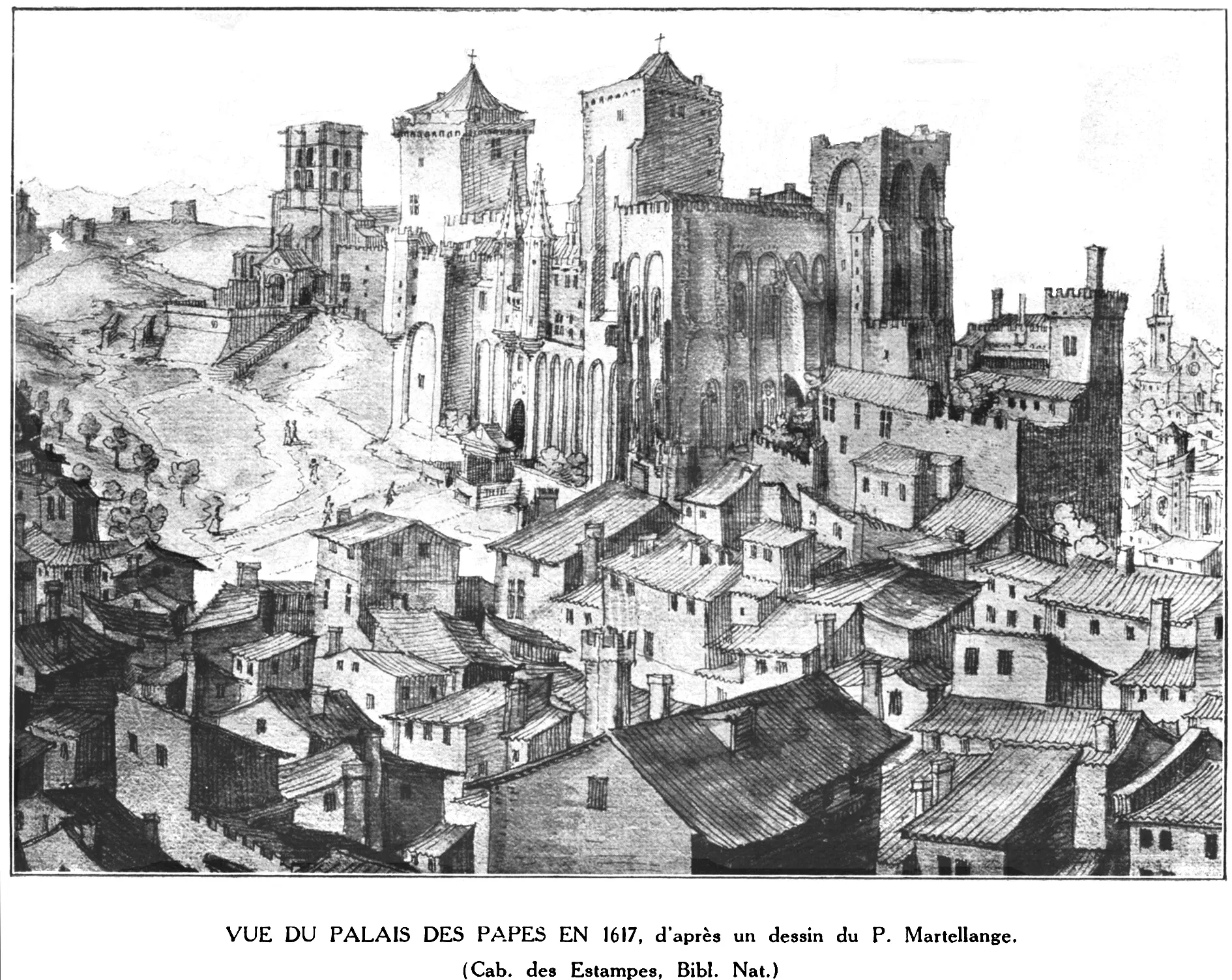
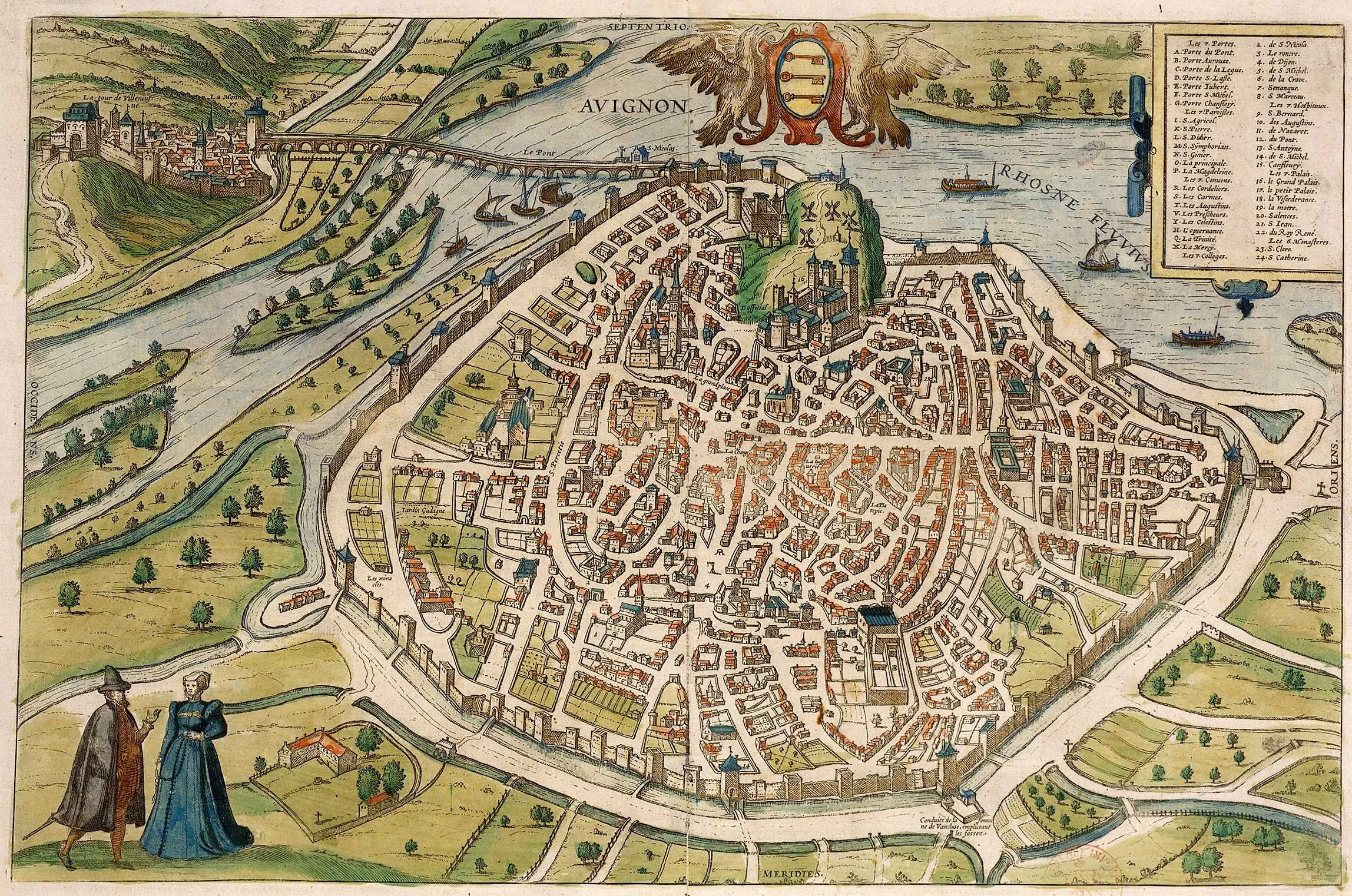
Before Avignon became synonymous with papal authority, it was already a strategic settlement on the Rhône, shaped by trade, river crossings, and regional politics. Its position between Mediterranean routes and inland Europe gave it a practical importance that long predated its religious fame. By the early 14th century, in a time of political tensions in Italy and broader instability across Christendom, Avignon emerged as a secure and administratively viable base for the papacy. What followed was not a minor relocation, but a profound shift in the geography of power.
As successive popes established their court here, Avignon transformed rapidly. Clerics, legal experts, diplomats, merchants, builders, and artists flowed into the city, creating a cosmopolitan environment unusual for its size. Streets filled with new residences, ecclesiastical institutions, and economic activity linked to the papal household. The city’s identity changed from regional center to international capital of decision-making, where theological disputes, diplomatic agreements, and fiscal administration could influence kingdoms far beyond Provence.
Why the papacy moved to Avignon
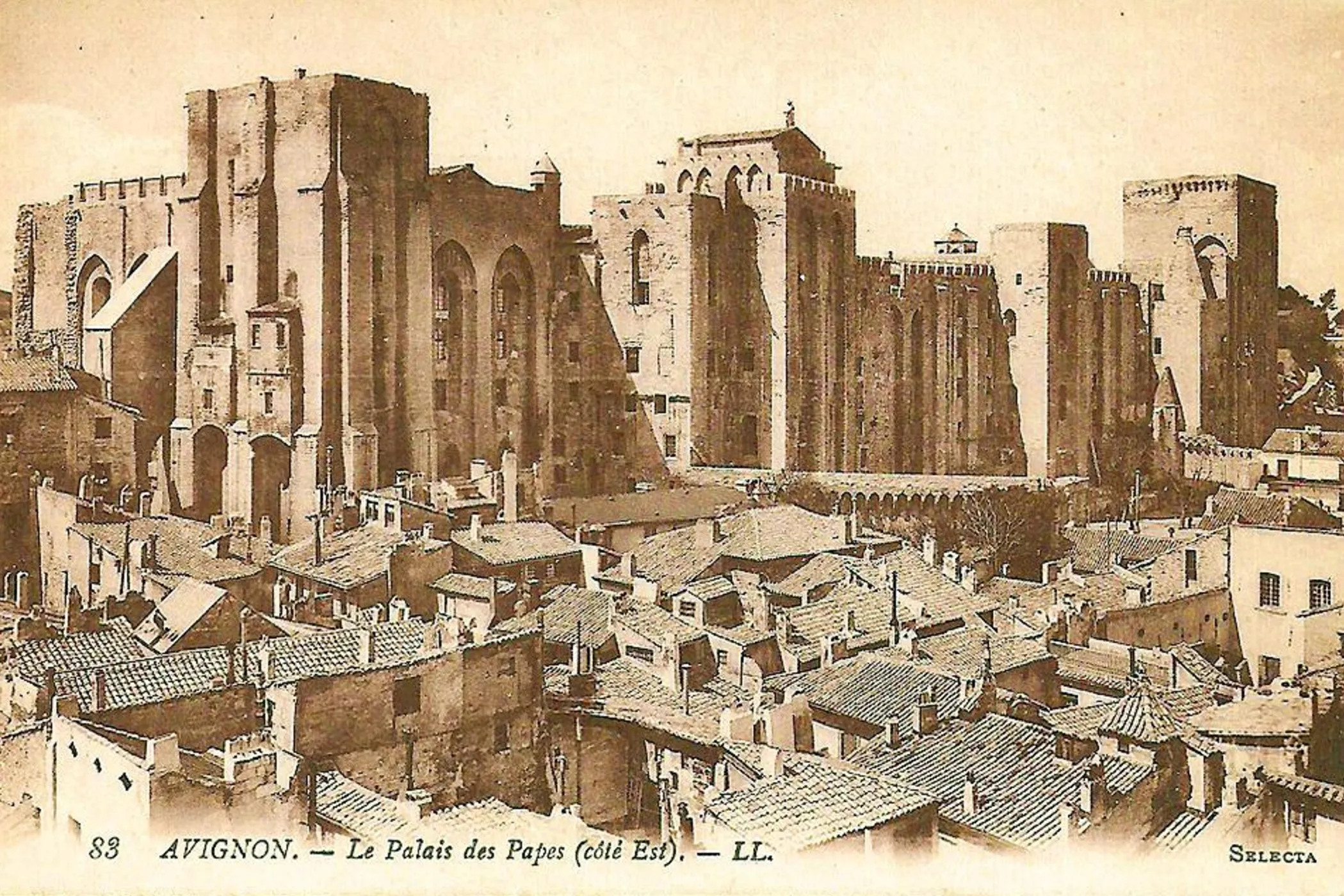
The move of the papal court to Avignon in the 14th century was born from necessity, strategy, and circumstance. Rome, while symbolically central, was politically unstable and often unsafe. Avignon offered a more controlled setting near major routes, with strong regional backing and room to build a functioning administrative state. This period is sometimes reduced to a single phrase in textbooks, but in reality it was a complex era of governance, diplomacy, and institutional adaptation in which the papacy maintained broad influence across Europe.
Understanding this context helps visitors see the palace as more than an architectural curiosity. Its walls represent decisions made under pressure: how to maintain legitimacy, govern at distance, and project authority during uncertainty. Every fortified angle, ceremonial chamber, and administrative corridor reflects a leadership model balancing spiritual mission with practical statecraft. The palace, in other words, is the stone record of an institution navigating crisis while trying to preserve continuity.
Building a palace of power
Construction of the Palais des Papes unfolded in phases under different pontificates, resulting in a complex ensemble that combines austere fortress logic with refined ceremonial design. The monument is often described as two palaces in one: an older section with stricter defensive character and a newer section with expanded representational spaces. Together they formed an extraordinary architectural statement: a residence, administrative headquarters, spiritual center, and military stronghold fused into one coherent urban presence.
The scale alone still surprises modern visitors. Thick masonry, towering facades, and vast halls were intended to communicate permanence and authority in uncertain times. Yet within this apparent severity, there were also spaces of beauty and contemplation: decorated chapels, painted chambers, and carefully orchestrated routes for ceremony. This dual identity, part citadel and part courtly palace, is one of the key reasons the site remains so intellectually and emotionally compelling today.
Ceremony, diplomacy, and court life
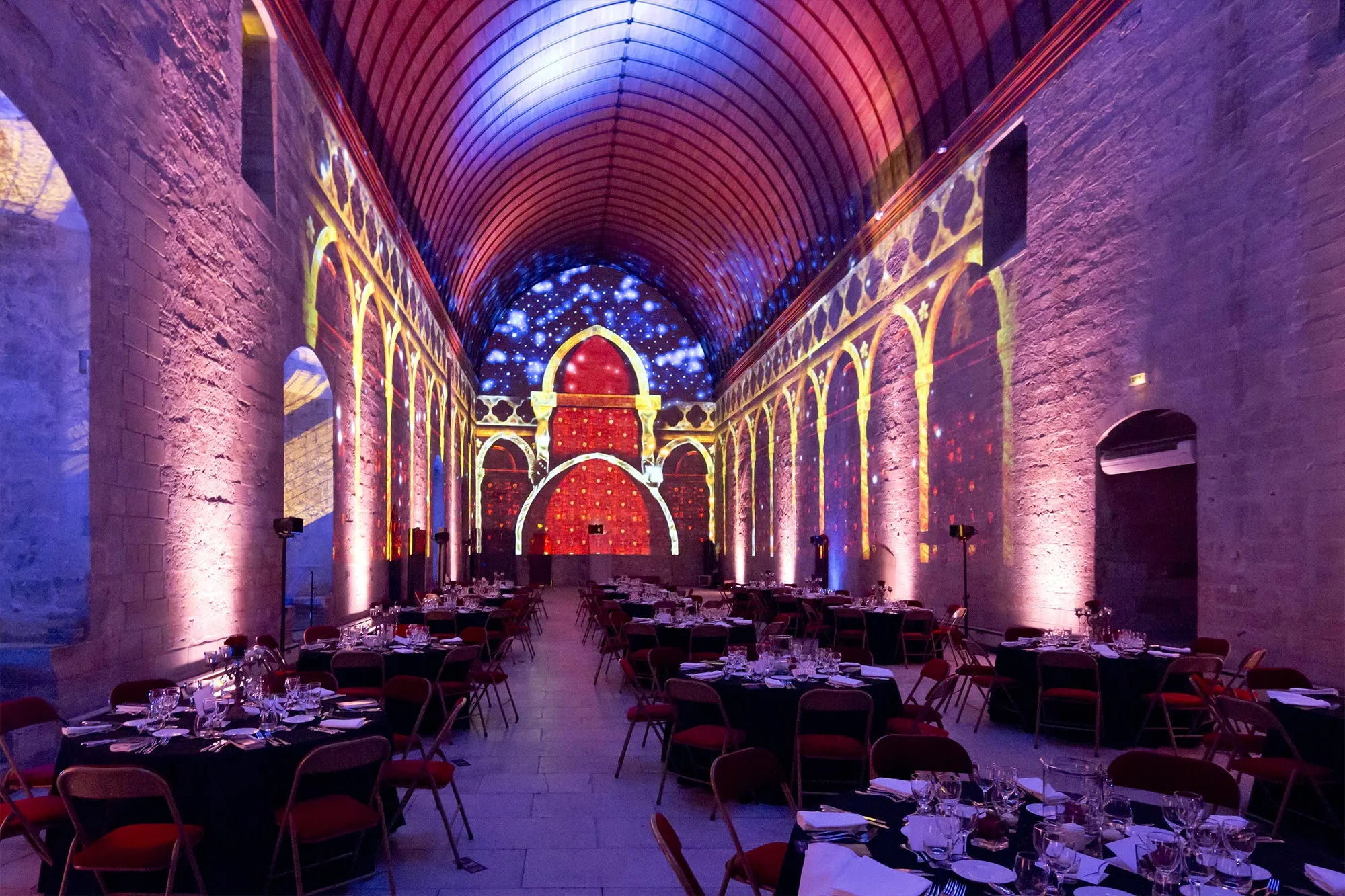
At its peak, the palace functioned like a small city of protocol. Delegations from kingdoms, principalities, and ecclesiastical institutions arrived with petitions, alliances, disputes, and gifts. Ceremonial sequences structured where people stood, when they spoke, and how authority was staged through architecture. The largest halls were not merely rooms; they were instruments of governance, designed to choreograph power in front of an international audience.
Beyond official spectacle, daily life inside the palace was dense and highly organized. Secretaries copied correspondence, legal experts prepared cases, chaplains maintained liturgical rhythm, kitchens supported large households, and guards managed flows of people through secured points. This mixture of grandeur and routine gives the palace its human dimension. It was a place of major decisions, yes, but also of constant practical work carried out by many invisible hands.
Faith, chapels, and sacred imagery
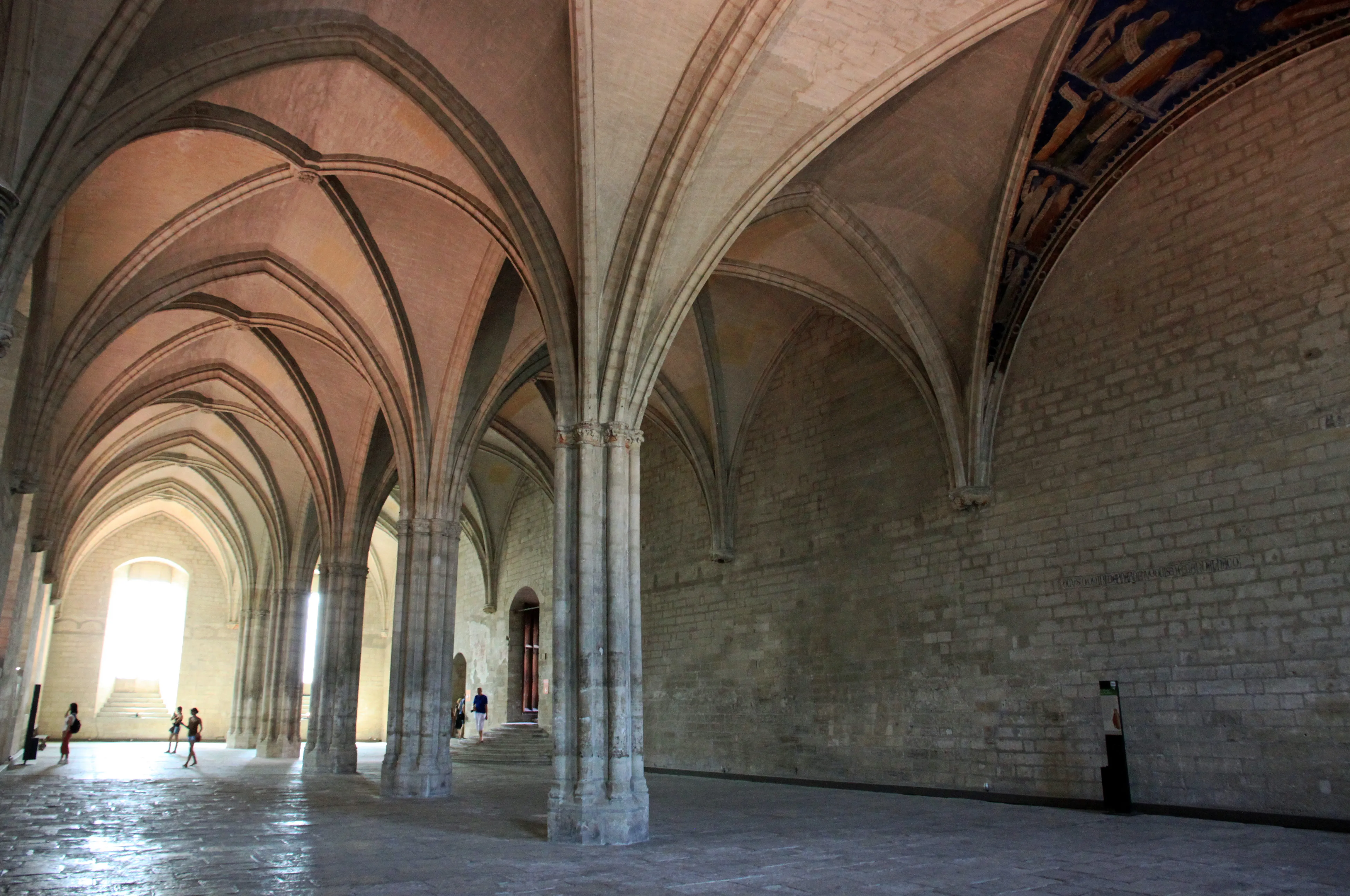
Religious life was central to the palace, and chapel spaces reveal this vividly. Here, architecture and ritual intersected to support prayer, liturgy, and symbolic expression of spiritual authority. Even where decoration is fragmentary, surviving traces allow us to imagine an environment far richer in color and iconography than many visitors initially expect from the bare stone surfaces seen today.
These sacred rooms also remind us that the Avignon papacy was not purely political. Whatever the controversies of the period, spiritual practice remained a daily framework for those who lived and worked in the complex. The sound of offices, the rhythm of feast days, and the visual language of sacred art shaped the atmosphere as much as diplomacy did. In this sense, the palace should be read as both administrative machine and devotional landscape.
Writers, artists, and medieval culture
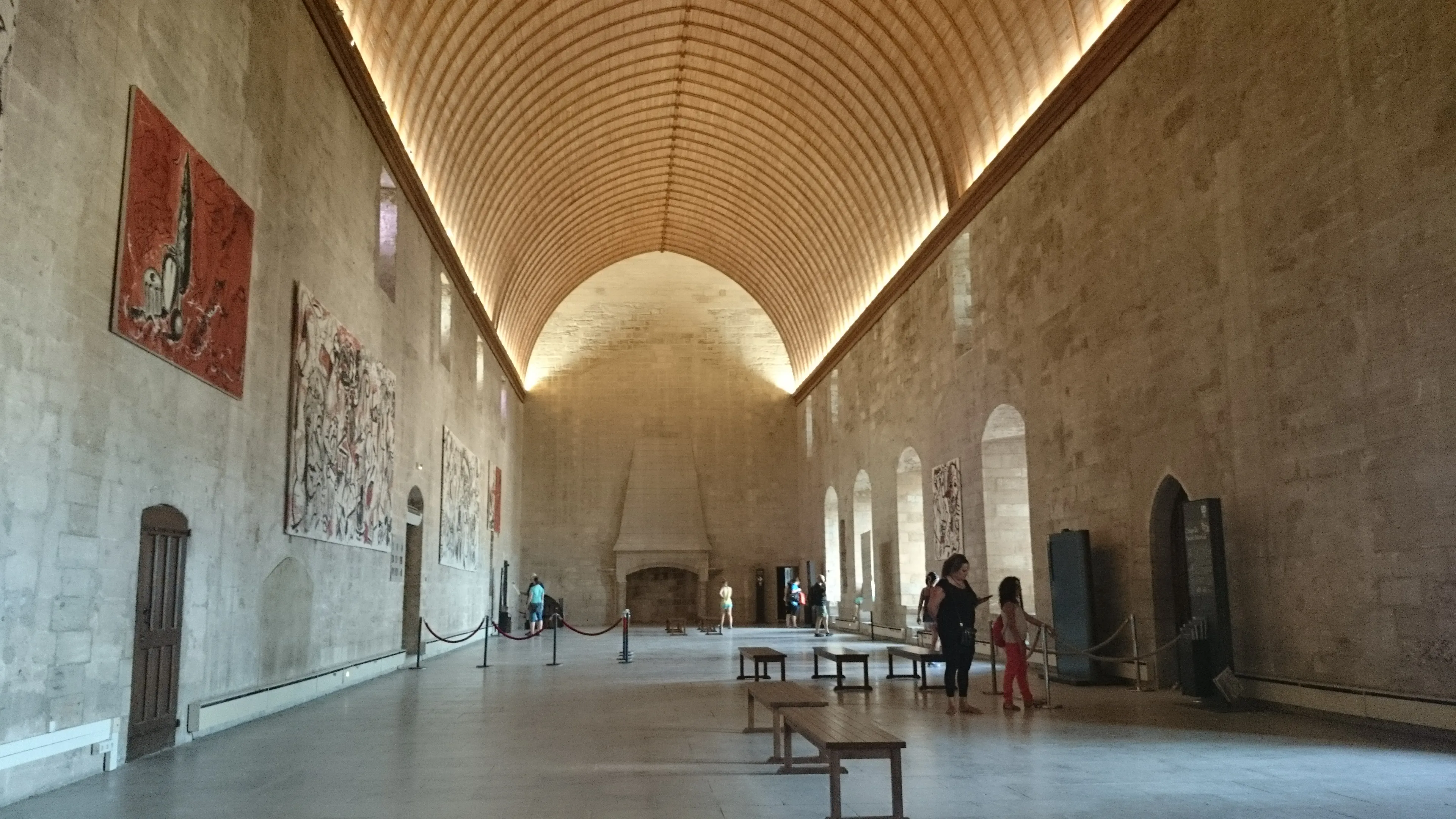
The papal court drew not only officials and envoys but also intellectual and artistic talent. Avignon became a crossroads where ideas circulated through manuscripts, correspondence, and personal networks reaching from Iberia to Central Europe. Patronage encouraged artistic production, while proximity to power attracted those seeking influence, commissions, or scholarly exchange.
Although many original furnishings and artworks have not survived in situ, the cultural energy of the period is still legible in the monument’s spatial ambitions and documented history. Visiting today, you can sense that this was never an isolated fortress cut off from creativity. It was a place where architecture, ceremony, text, and image interacted continuously, producing a court culture that left a durable mark on late medieval Europe.
Fortress architecture and defense
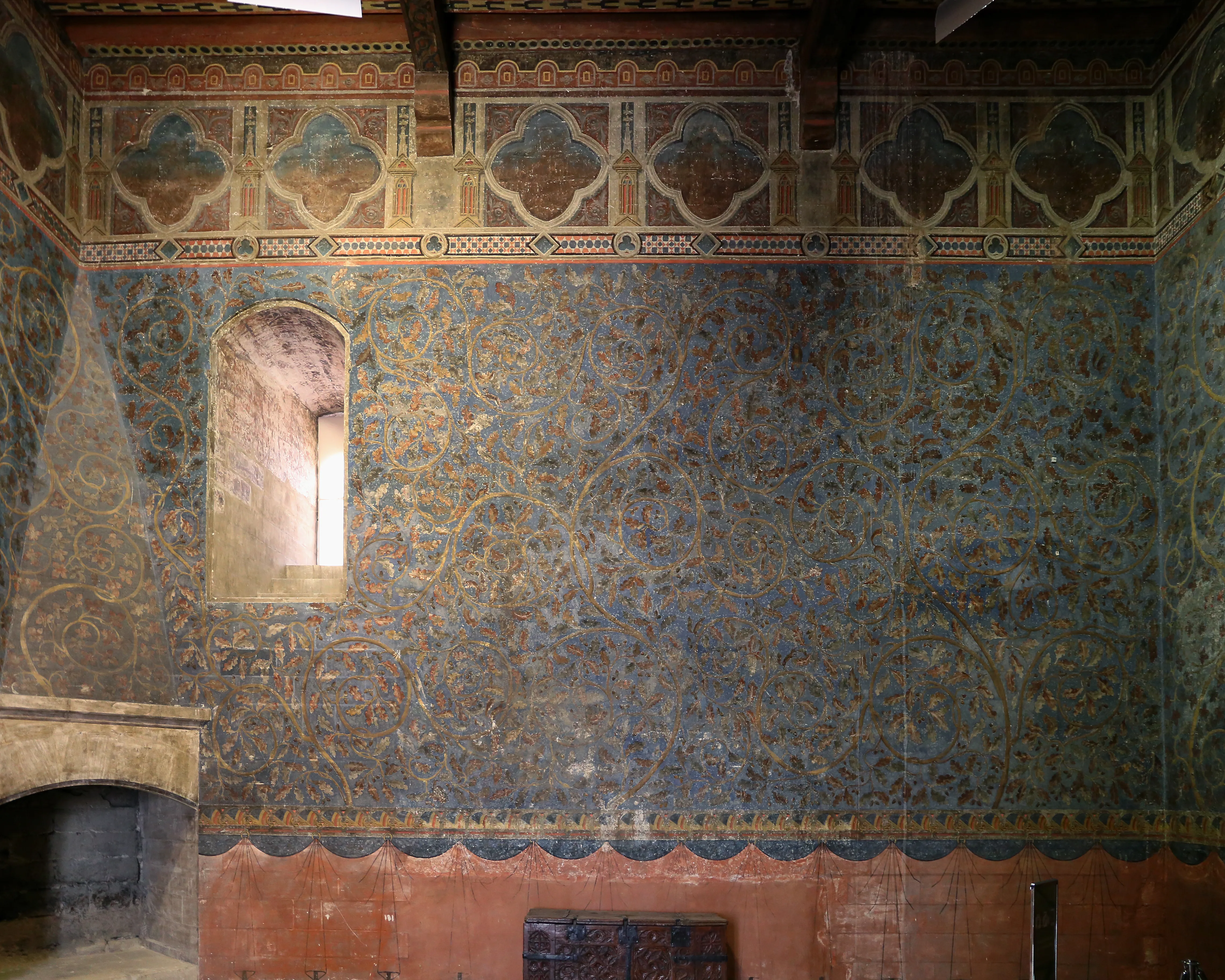
The Palais des Papes was conceived in an era where security concerns were real and immediate. Its defensive elements, massive walls, controlled gateways, elevated watch points, and robust towers, were not symbolic gestures but practical safeguards. The architecture reflects a world in which political authority had to be protected physically as well as ideologically.
For visitors, these fortified features provide one of the most striking reading keys of the site. They reveal how medieval governance was inseparable from logistics, surveillance, and contingency planning. At the same time, the palace never abandoned representational elegance. The genius of the complex lies in this fusion: military resilience paired with ceremonial magnificence, both serving the same institutional objective.
The Great Schism and contested authority
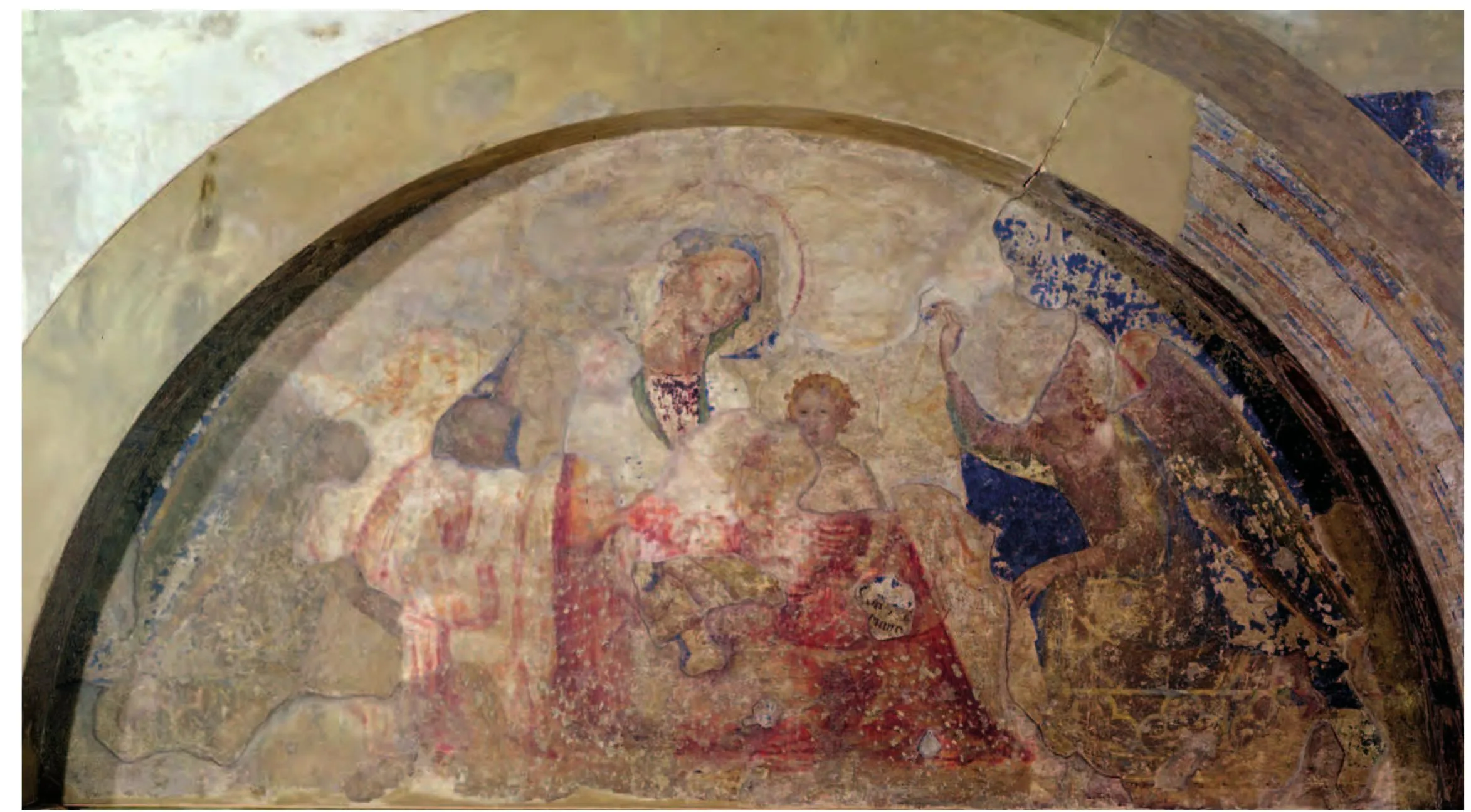
No history of the palace is complete without the Great Western Schism, when rival papal obediences fractured Christian unity and complicated legitimacy across Europe. Avignon, already associated with papal residence, became central to debates over rightful authority, obedience, and reform. Diplomatic alliances often aligned with theological positions, making ecclesiastical conflict inseparable from broader geopolitical interests.
Walking through the palace today, it is worth remembering that these walls witnessed not only confident governance but also uncertainty, dispute, and institutional strain. This tension gives the monument depth: it is a place where power was asserted, challenged, and renegotiated. Far from diminishing its significance, this complexity makes it one of the most revealing sites for understanding how medieval institutions managed crisis.
After the popes: decline and survival
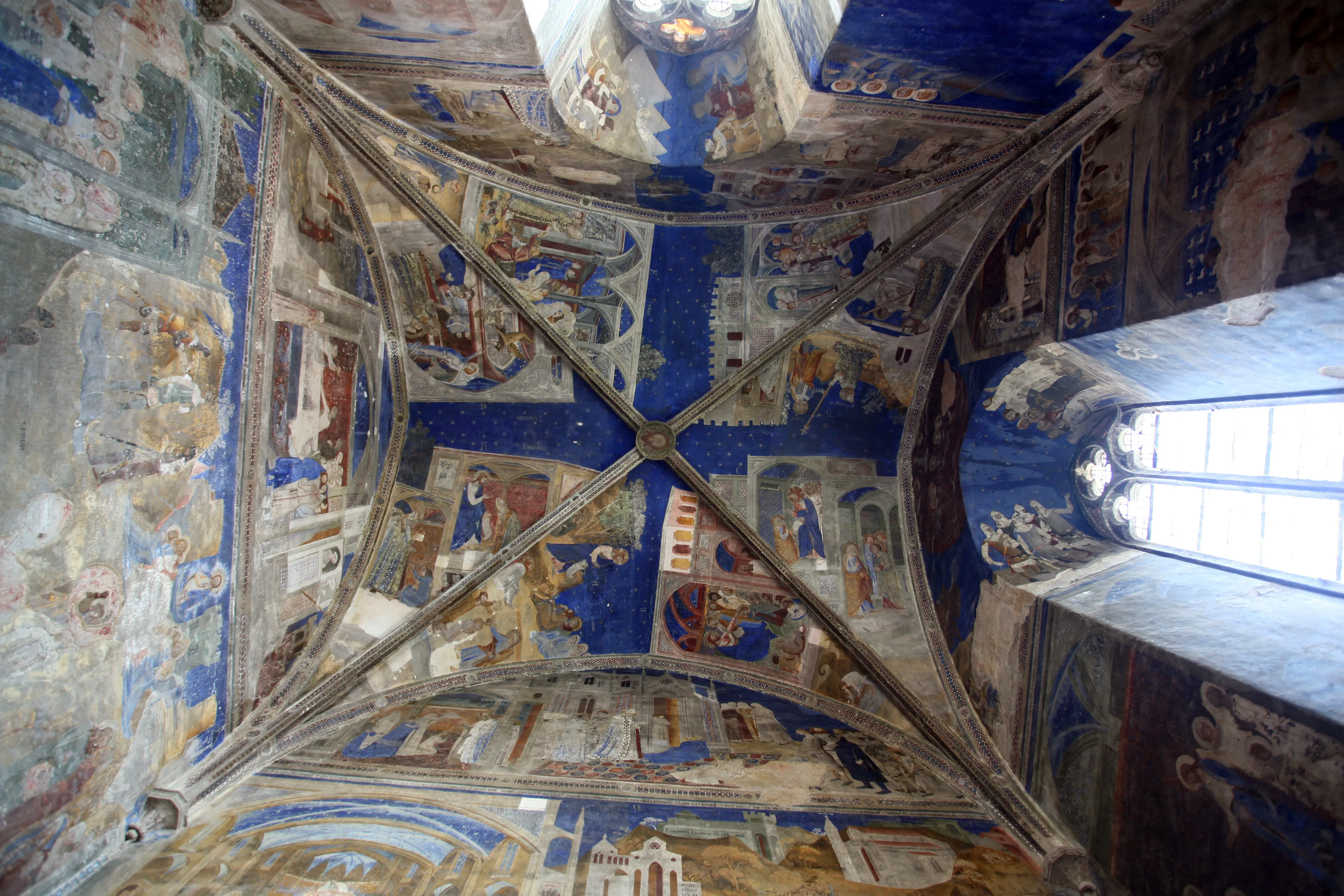
When papal centrality shifted away from Avignon, the palace entered a long phase of redefinition. Like many major monuments tied to a specific political moment, it had to find new functions in changing times. Portions were adapted, neglected, or transformed according to immediate practical needs rather than heritage values as we understand them today.
That the monument survived at all, through shifting regimes, changing uses, and periods of damage or indifference, is remarkable. Its endurance is a story of resilience and rediscovery. By the modern era, growing historical awareness reframed the palace from old structure to shared cultural treasure, setting the stage for conservation efforts that continue to shape the visitor experience now.
Revolution, repurposing, and restoration
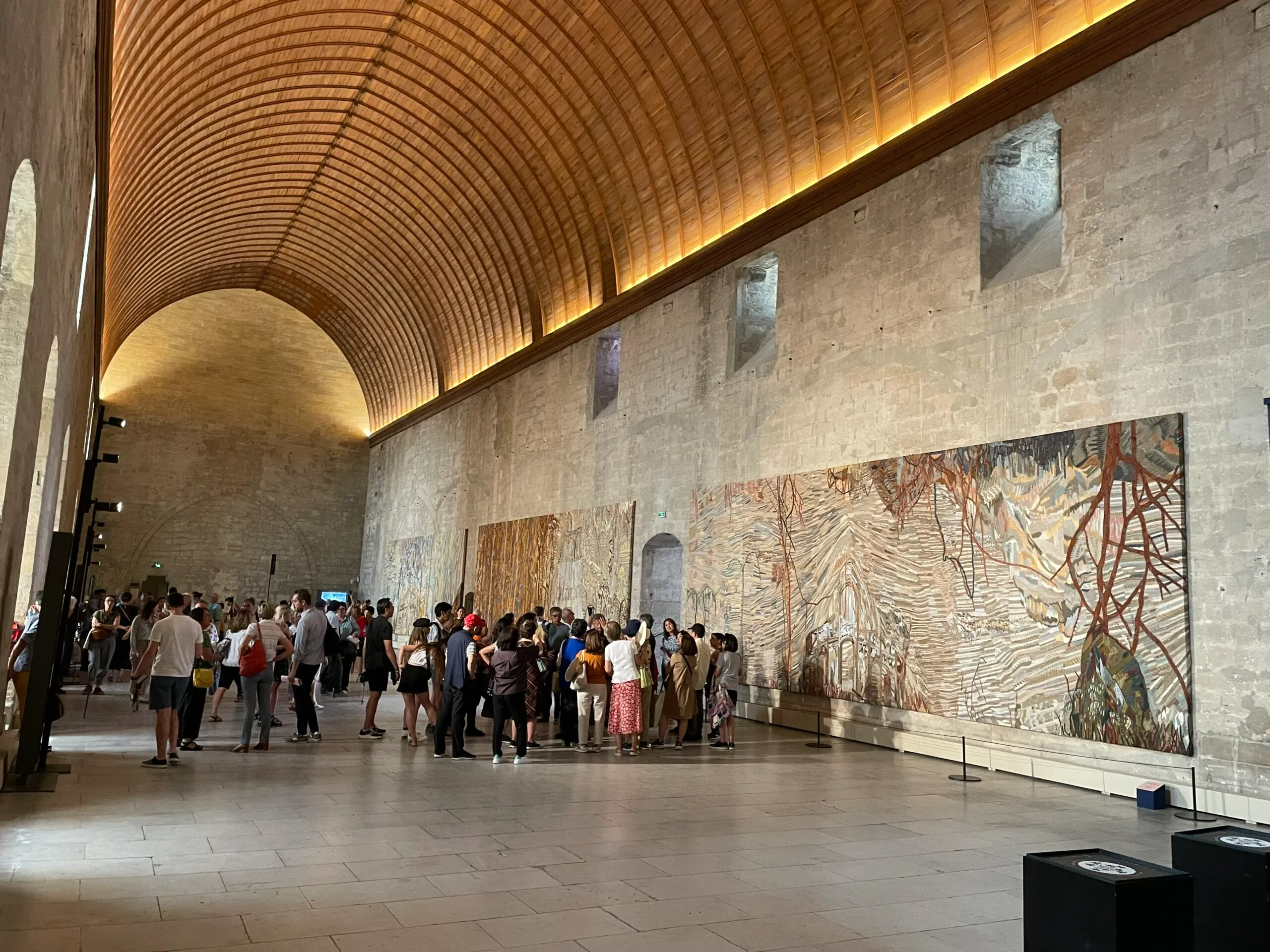
The French Revolution and subsequent centuries altered the destiny of countless religious and aristocratic sites, and the Palais des Papes was no exception. Repurposing often responded to immediate civic or military priorities, with little regard for preserving medieval coherence. Yet these difficult chapters are part of the monument’s biography and help explain why some spaces feel intact while others carry visible scars of adaptation.
Modern restoration has aimed to protect remaining fabric, improve interpretation, and communicate historical complexity without pretending to recreate a lost totality. This careful balance between conservation and readability is one of the strengths of the current site: visitors can appreciate authenticity while still receiving enough context to understand what once existed and why it mattered.
UNESCO status and modern stewardship
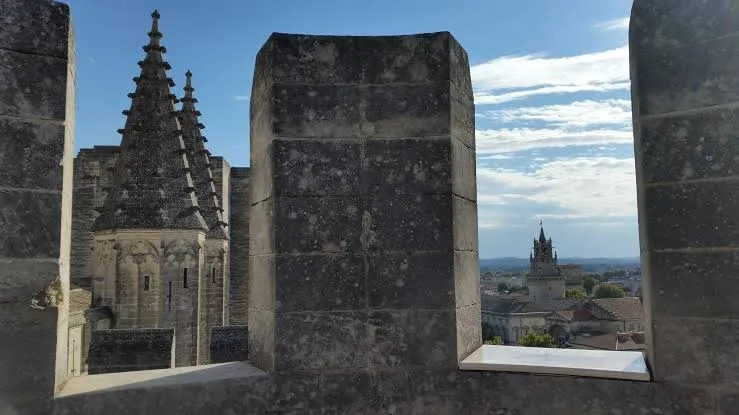
The palace forms part of Avignon’s UNESCO-listed historic ensemble, recognition that reflects both architectural distinction and broader cultural significance. UNESCO status does not freeze a monument in time; rather, it places responsibility on institutions and communities to protect integrity while welcoming public access. At the Palais des Papes, this means ongoing maintenance, research, and interpretation adapted to contemporary audiences.
Stewardship today involves many layers: structural care, climate considerations, visitor management, educational programming, and partnerships with scholars and cultural organizations. For travelers, this work may be mostly invisible, but it is precisely what allows the monument to remain legible, safe, and meaningful. Every well-managed visit is part of a long chain of care extending across generations.
How to read the palace today
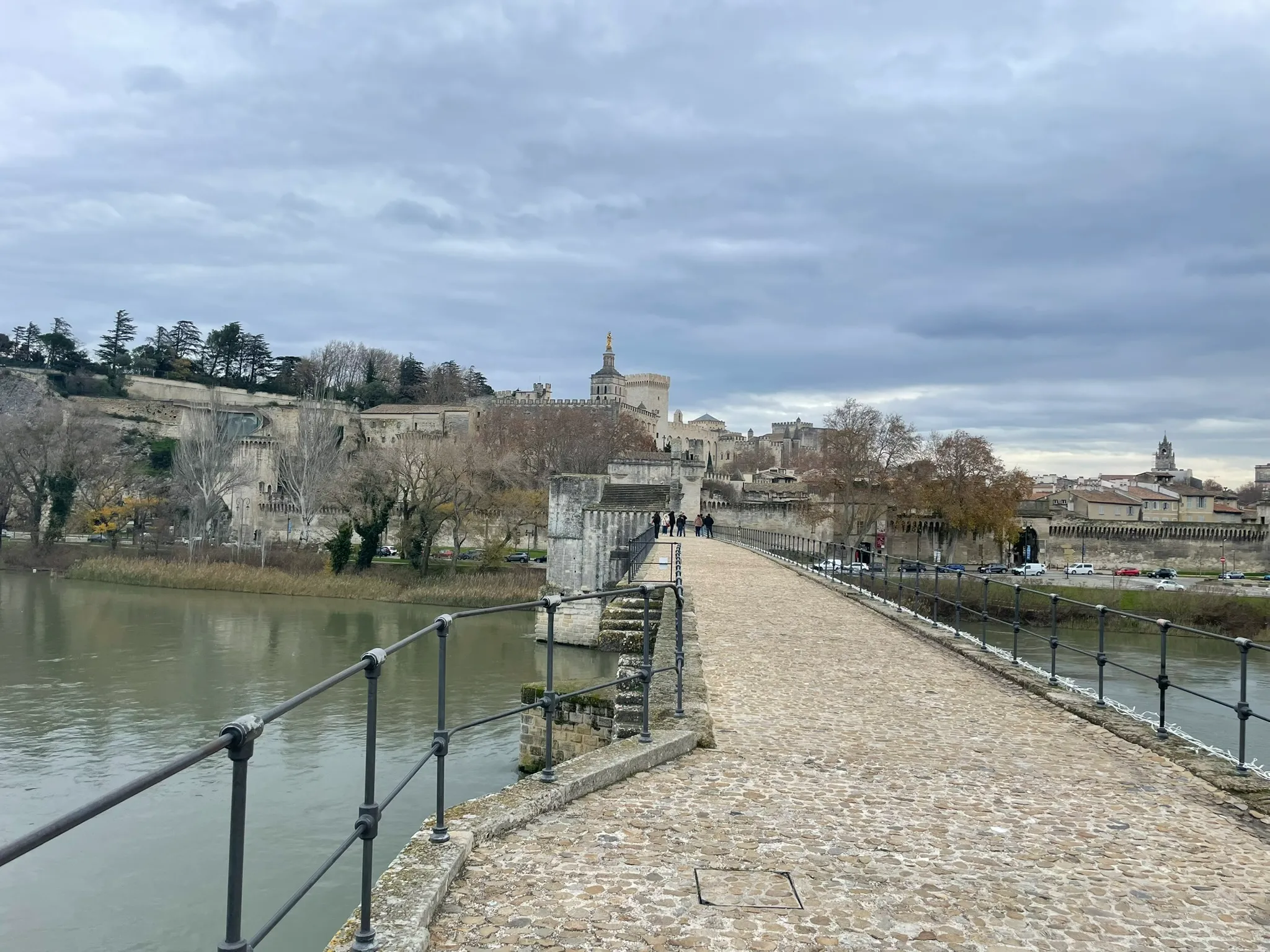
A rewarding way to explore the palace is to read it on three levels at once. First, as architecture: notice thickness of walls, proportions of halls, and strategic circulation paths. Second, as institution: ask what each space reveals about ceremony, administration, and hierarchy. Third, as human environment: imagine the daily rhythm of those who prayed, negotiated, wrote, cooked, guarded, and maintained this immense complex.
When you combine these perspectives, the palace stops feeling like a sequence of empty rooms and becomes a dynamic historical narrative. The most memorable visits are often those where curiosity moves slowly, where each threshold suggests a new question, and where the building is experienced not as background scenery but as an active historical document in stone.
Why this monument still feels alive
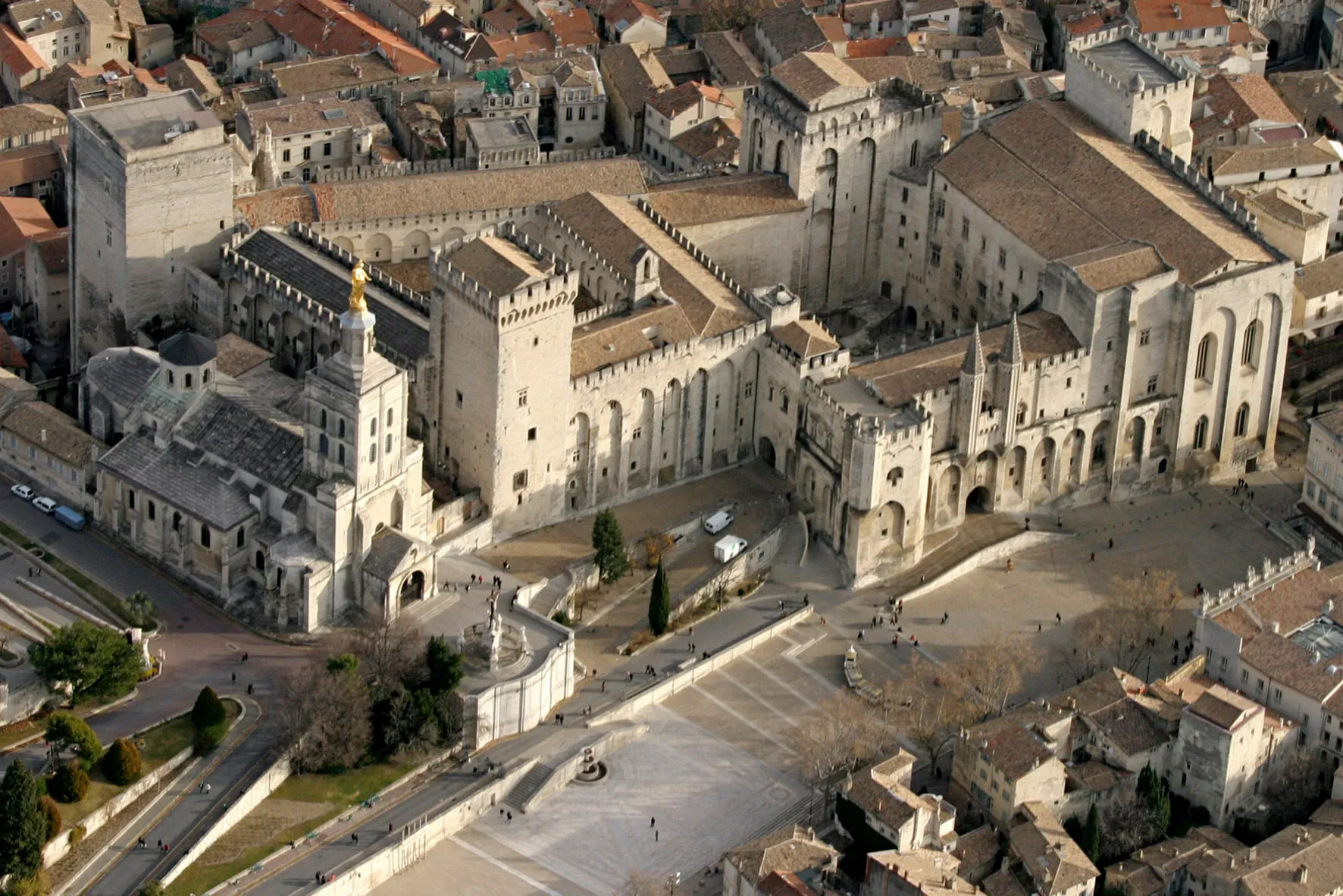
The Palais des Papes continues to move visitors because it connects scale with intimacy. It is undeniably monumental, yet within that magnitude you find traces of personal devotion, administrative routine, artistic ambition, and political anxiety. Few places communicate so clearly how institutions are built by both grand ideas and everyday practices.
In Avignon, history is not confined to distant abstraction. It is tangible in stone textures, stair worn by use, courtyards open to changing sky, and viewpoints where medieval power once surveyed a living city that still unfolds below. That is why this monument endures in memory: it offers not only information, but atmosphere, and not only heritage, but a vivid sense of continuity between past and present.
Table of Contents
From river town to papal capital
Before Avignon became synonymous with papal authority, it was already a strategic settlement on the Rhône, shaped by trade, river crossings, and regional politics. Its position between Mediterranean routes and inland Europe gave it a practical importance that long predated its religious fame. By the early 14th century, in a time of political tensions in Italy and broader instability across Christendom, Avignon emerged as a secure and administratively viable base for the papacy. What followed was not a minor relocation, but a profound shift in the geography of power.
As successive popes established their court here, Avignon transformed rapidly. Clerics, legal experts, diplomats, merchants, builders, and artists flowed into the city, creating a cosmopolitan environment unusual for its size. Streets filled with new residences, ecclesiastical institutions, and economic activity linked to the papal household. The city’s identity changed from regional center to international capital of decision-making, where theological disputes, diplomatic agreements, and fiscal administration could influence kingdoms far beyond Provence.
Why the papacy moved to Avignon
The move of the papal court to Avignon in the 14th century was born from necessity, strategy, and circumstance. Rome, while symbolically central, was politically unstable and often unsafe. Avignon offered a more controlled setting near major routes, with strong regional backing and room to build a functioning administrative state. This period is sometimes reduced to a single phrase in textbooks, but in reality it was a complex era of governance, diplomacy, and institutional adaptation in which the papacy maintained broad influence across Europe.
Understanding this context helps visitors see the palace as more than an architectural curiosity. Its walls represent decisions made under pressure: how to maintain legitimacy, govern at distance, and project authority during uncertainty. Every fortified angle, ceremonial chamber, and administrative corridor reflects a leadership model balancing spiritual mission with practical statecraft. The palace, in other words, is the stone record of an institution navigating crisis while trying to preserve continuity.
Building a palace of power
Construction of the Palais des Papes unfolded in phases under different pontificates, resulting in a complex ensemble that combines austere fortress logic with refined ceremonial design. The monument is often described as two palaces in one: an older section with stricter defensive character and a newer section with expanded representational spaces. Together they formed an extraordinary architectural statement: a residence, administrative headquarters, spiritual center, and military stronghold fused into one coherent urban presence.
The scale alone still surprises modern visitors. Thick masonry, towering facades, and vast halls were intended to communicate permanence and authority in uncertain times. Yet within this apparent severity, there were also spaces of beauty and contemplation: decorated chapels, painted chambers, and carefully orchestrated routes for ceremony. This dual identity, part citadel and part courtly palace, is one of the key reasons the site remains so intellectually and emotionally compelling today.
Ceremony, diplomacy, and court life
At its peak, the palace functioned like a small city of protocol. Delegations from kingdoms, principalities, and ecclesiastical institutions arrived with petitions, alliances, disputes, and gifts. Ceremonial sequences structured where people stood, when they spoke, and how authority was staged through architecture. The largest halls were not merely rooms; they were instruments of governance, designed to choreograph power in front of an international audience.
Beyond official spectacle, daily life inside the palace was dense and highly organized. Secretaries copied correspondence, legal experts prepared cases, chaplains maintained liturgical rhythm, kitchens supported large households, and guards managed flows of people through secured points. This mixture of grandeur and routine gives the palace its human dimension. It was a place of major decisions, yes, but also of constant practical work carried out by many invisible hands.
Faith, chapels, and sacred imagery
Religious life was central to the palace, and chapel spaces reveal this vividly. Here, architecture and ritual intersected to support prayer, liturgy, and symbolic expression of spiritual authority. Even where decoration is fragmentary, surviving traces allow us to imagine an environment far richer in color and iconography than many visitors initially expect from the bare stone surfaces seen today.
These sacred rooms also remind us that the Avignon papacy was not purely political. Whatever the controversies of the period, spiritual practice remained a daily framework for those who lived and worked in the complex. The sound of offices, the rhythm of feast days, and the visual language of sacred art shaped the atmosphere as much as diplomacy did. In this sense, the palace should be read as both administrative machine and devotional landscape.
Writers, artists, and medieval culture
The papal court drew not only officials and envoys but also intellectual and artistic talent. Avignon became a crossroads where ideas circulated through manuscripts, correspondence, and personal networks reaching from Iberia to Central Europe. Patronage encouraged artistic production, while proximity to power attracted those seeking influence, commissions, or scholarly exchange.
Although many original furnishings and artworks have not survived in situ, the cultural energy of the period is still legible in the monument’s spatial ambitions and documented history. Visiting today, you can sense that this was never an isolated fortress cut off from creativity. It was a place where architecture, ceremony, text, and image interacted continuously, producing a court culture that left a durable mark on late medieval Europe.
Fortress architecture and defense
The Palais des Papes was conceived in an era where security concerns were real and immediate. Its defensive elements, massive walls, controlled gateways, elevated watch points, and robust towers, were not symbolic gestures but practical safeguards. The architecture reflects a world in which political authority had to be protected physically as well as ideologically.
For visitors, these fortified features provide one of the most striking reading keys of the site. They reveal how medieval governance was inseparable from logistics, surveillance, and contingency planning. At the same time, the palace never abandoned representational elegance. The genius of the complex lies in this fusion: military resilience paired with ceremonial magnificence, both serving the same institutional objective.
The Great Schism and contested authority
No history of the palace is complete without the Great Western Schism, when rival papal obediences fractured Christian unity and complicated legitimacy across Europe. Avignon, already associated with papal residence, became central to debates over rightful authority, obedience, and reform. Diplomatic alliances often aligned with theological positions, making ecclesiastical conflict inseparable from broader geopolitical interests.
Walking through the palace today, it is worth remembering that these walls witnessed not only confident governance but also uncertainty, dispute, and institutional strain. This tension gives the monument depth: it is a place where power was asserted, challenged, and renegotiated. Far from diminishing its significance, this complexity makes it one of the most revealing sites for understanding how medieval institutions managed crisis.
After the popes: decline and survival
When papal centrality shifted away from Avignon, the palace entered a long phase of redefinition. Like many major monuments tied to a specific political moment, it had to find new functions in changing times. Portions were adapted, neglected, or transformed according to immediate practical needs rather than heritage values as we understand them today.
That the monument survived at all, through shifting regimes, changing uses, and periods of damage or indifference, is remarkable. Its endurance is a story of resilience and rediscovery. By the modern era, growing historical awareness reframed the palace from old structure to shared cultural treasure, setting the stage for conservation efforts that continue to shape the visitor experience now.
Revolution, repurposing, and restoration
The French Revolution and subsequent centuries altered the destiny of countless religious and aristocratic sites, and the Palais des Papes was no exception. Repurposing often responded to immediate civic or military priorities, with little regard for preserving medieval coherence. Yet these difficult chapters are part of the monument’s biography and help explain why some spaces feel intact while others carry visible scars of adaptation.
Modern restoration has aimed to protect remaining fabric, improve interpretation, and communicate historical complexity without pretending to recreate a lost totality. This careful balance between conservation and readability is one of the strengths of the current site: visitors can appreciate authenticity while still receiving enough context to understand what once existed and why it mattered.
UNESCO status and modern stewardship
The palace forms part of Avignon’s UNESCO-listed historic ensemble, recognition that reflects both architectural distinction and broader cultural significance. UNESCO status does not freeze a monument in time; rather, it places responsibility on institutions and communities to protect integrity while welcoming public access. At the Palais des Papes, this means ongoing maintenance, research, and interpretation adapted to contemporary audiences.
Stewardship today involves many layers: structural care, climate considerations, visitor management, educational programming, and partnerships with scholars and cultural organizations. For travelers, this work may be mostly invisible, but it is precisely what allows the monument to remain legible, safe, and meaningful. Every well-managed visit is part of a long chain of care extending across generations.
How to read the palace today
A rewarding way to explore the palace is to read it on three levels at once. First, as architecture: notice thickness of walls, proportions of halls, and strategic circulation paths. Second, as institution: ask what each space reveals about ceremony, administration, and hierarchy. Third, as human environment: imagine the daily rhythm of those who prayed, negotiated, wrote, cooked, guarded, and maintained this immense complex.
When you combine these perspectives, the palace stops feeling like a sequence of empty rooms and becomes a dynamic historical narrative. The most memorable visits are often those where curiosity moves slowly, where each threshold suggests a new question, and where the building is experienced not as background scenery but as an active historical document in stone.
Why this monument still feels alive
The Palais des Papes continues to move visitors because it connects scale with intimacy. It is undeniably monumental, yet within that magnitude you find traces of personal devotion, administrative routine, artistic ambition, and political anxiety. Few places communicate so clearly how institutions are built by both grand ideas and everyday practices.
In Avignon, history is not confined to distant abstraction. It is tangible in stone textures, stair worn by use, courtyards open to changing sky, and viewpoints where medieval power once surveyed a living city that still unfolds below. That is why this monument endures in memory: it offers not only information, but atmosphere, and not only heritage, but a vivid sense of continuity between past and present.