How to Photograph Palais des Papes - Pro Composition and Timing Tips
Capture stronger palace photos with structured shot planning, light strategies, and interior-exterior storytelling.
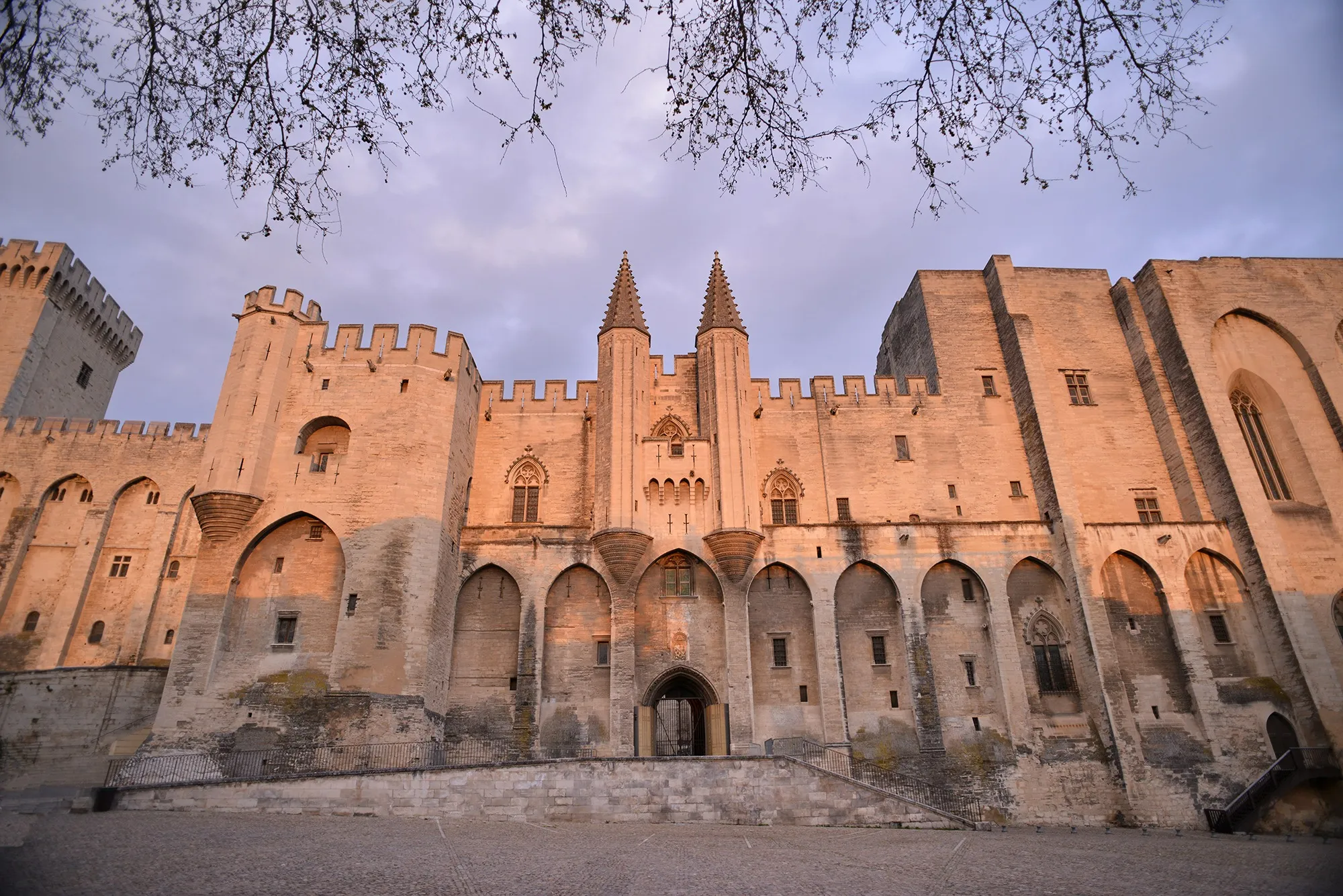
Good palace photography is less about gear and more about sequence. Think in chapters, not random clicks.
The 5-shot narrative set
- Context shot (palace + square)
- Scale shot (human figure near facade)
- Texture shot (stone, joints, wear)
- Interior mood shot (light gradients)
- Departure shot (palace receding into city)
Light strategy
| Window | Visual effect |
|---|---|
| Early morning | cleaner lines, gentler contrast |
| Midday | strong geometry, harder shadows |
| Late afternoon | warmer stone, layered depth |
[!NOTE] The best architecture images often have one anchor, one frame line, and one visual quiet zone.
Quick do/don't
- Do: wait 30-60 seconds for foreground to simplify.
- Do: shoot vertical and horizontal pairs.
- Don't: over-correct perspective until the building loses weight.
Minimal shot script
Use this as a field note:
"Wide. Mid. Detail. Light transition. Exit frame."
Repeat it at each major location.
Narrative sequencing for stronger images
Think like an editor, not only a photographer. Each frame should answer one question: where are we, why does this place matter, what does it feel like now?
A compelling palace photo series usually mixes scale, texture, and transition. The strongest sets also include a "breathing frame"—an image with visual quiet that lets the sequence reset.
Storyboard template
| Frame type | Purpose |
|---|---|
| Establishing | Place the viewer in Avignon |
| Character-scale | Show monument-human proportion |
| Detail | Reveal material memory |
| Transition | Connect interior/exterior mood |
| Closure | Leave an after-image |
When your shots follow narrative logic, even simple equipment produces more memorable results.
Tentang penulis

Avignon Local Editorial Team
Panduan ini dibuat untuk membantu pengunjung menikmati Palais des Papes dengan jelas dan percaya diri, melampaui ringkasan umum, agar Anda memahami apa yang sedang Anda lihat, mengapa tempat ini penting pada masanya, dan bagaimana membuat kunjungan Anda benar-benar berkesan.
Tags
Comments (0)
Loading comments...