Architecture of Power at Palais des Papes - Form, Function, Symbol
Understand the Palais des Papes through structural design, circulation strategy, and political symbolism.
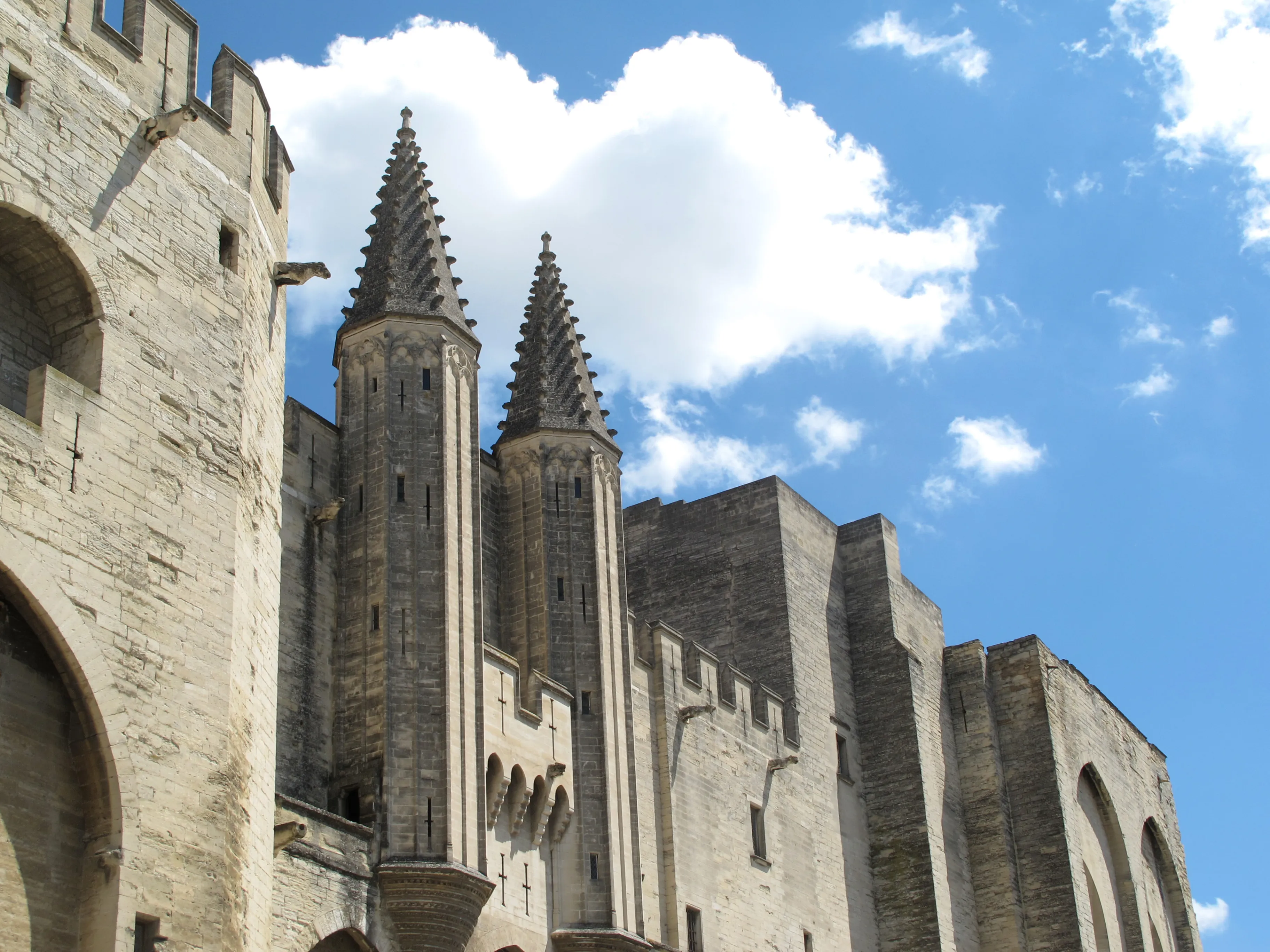
The Palais des Papes is often described as a palace-fortress. Accurate, but incomplete. It is also an argument in stone.
Four architectural logics
- Massing - authority through visual weight.
- Circulation - controlled access to controlled meaning.
- Thresholds - transitions that reinforce hierarchy.
- Elevation - vertical symbolism of rank and perspective.
Reading method for non-architects
- Start with silhouette.
- Move to entrances and bottlenecks.
- End with room scale progression.
[!TIP] When a door feels narrow after a grand hall, that contrast is intentional narrative design.
Structural-symbolic pairs
| Structural feature | Symbolic effect |
|---|---|
| Thick masonry | permanence |
| Elevated volumes | transcendence and rank |
| Limited apertures | protection and control |
Conclusion: This building does not merely house power. It teaches visitors how power wants to be perceived.
Form, force, and perception
Architecture here is never neutral background. It structures movement, calibrates sightlines, and scripts emotional response before any text panel is read.
When corridors compress and halls expand, your body receives an argument: constraint, then release; approach, then revelation. That embodied sequence is central to how authority becomes believable.
Advanced observation prompt
| Element | Question |
|---|---|
| Wall thickness | What fear does this answer? |
| Vertical rise | What status does this signal? |
| Route transitions | What behavior does this encourage? |
Read this way, the palace becomes both monument and manual.
저자 소개

Avignon Local Editorial Team
이 가이드는 교황청 방문을 단순 요약이 아닌 실제 경험으로 바꾸기 위해 제작되었습니다. 지금 보고 있는 공간이 왜 중요한지, 당시 역사에서 어떤 역할을 했는지, 그리고 어떻게 하면 오래 기억에 남는 방문이 되는지를 분명하게 이해하도록 돕습니다.
Tags
Comments (0)
Loading comments...