How to Photograph Palais des Papes - Pro Composition and Timing Tips
Capture stronger palace photos with structured shot planning, light strategies, and interior-exterior storytelling.
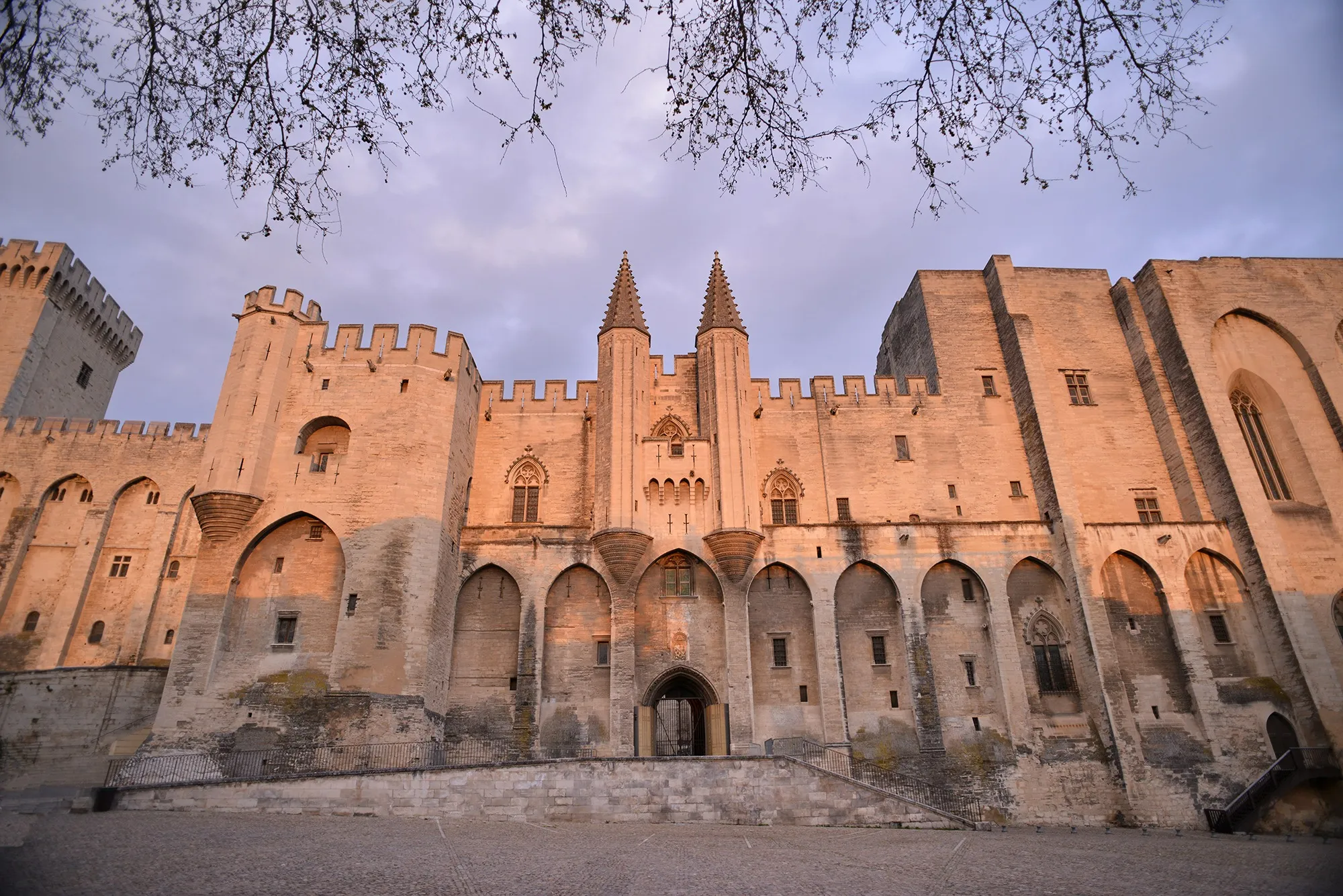
Good palace photography is less about gear and more about sequence. Think in chapters, not random clicks.
The 5-shot narrative set
- Context shot (palace + square)
- Scale shot (human figure near facade)
- Texture shot (stone, joints, wear)
- Interior mood shot (light gradients)
- Departure shot (palace receding into city)
Light strategy
| Window | Visual effect |
|---|---|
| Early morning | cleaner lines, gentler contrast |
| Midday | strong geometry, harder shadows |
| Late afternoon | warmer stone, layered depth |
[!NOTE] The best architecture images often have one anchor, one frame line, and one visual quiet zone.
Quick do/don't
- Do: wait 30-60 seconds for foreground to simplify.
- Do: shoot vertical and horizontal pairs.
- Don't: over-correct perspective until the building loses weight.
Minimal shot script
Use this as a field note:
"Wide. Mid. Detail. Light transition. Exit frame."
Repeat it at each major location.
Narrative sequencing for stronger images
Think like an editor, not only a photographer. Each frame should answer one question: where are we, why does this place matter, what does it feel like now?
A compelling palace photo series usually mixes scale, texture, and transition. The strongest sets also include a "breathing frame"—an image with visual quiet that lets the sequence reset.
Storyboard template
| Frame type | Purpose |
|---|---|
| Establishing | Place the viewer in Avignon |
| Character-scale | Show monument-human proportion |
| Detail | Reveal material memory |
| Transition | Connect interior/exterior mood |
| Closure | Leave an after-image |
When your shots follow narrative logic, even simple equipment produces more memorable results.
저자 소개

Avignon Local Editorial Team
이 가이드는 교황청 방문을 단순 요약이 아닌 실제 경험으로 바꾸기 위해 제작되었습니다. 지금 보고 있는 공간이 왜 중요한지, 당시 역사에서 어떤 역할을 했는지, 그리고 어떻게 하면 오래 기억에 남는 방문이 되는지를 분명하게 이해하도록 돕습니다.
Tags
Comments (0)
Loading comments...