Grand Tinel Guide - Medieval Banquets and Papal Diplomacy
Learn how the Grand Tinel transformed meals into diplomacy through ritual, architecture, and strategic visibility.
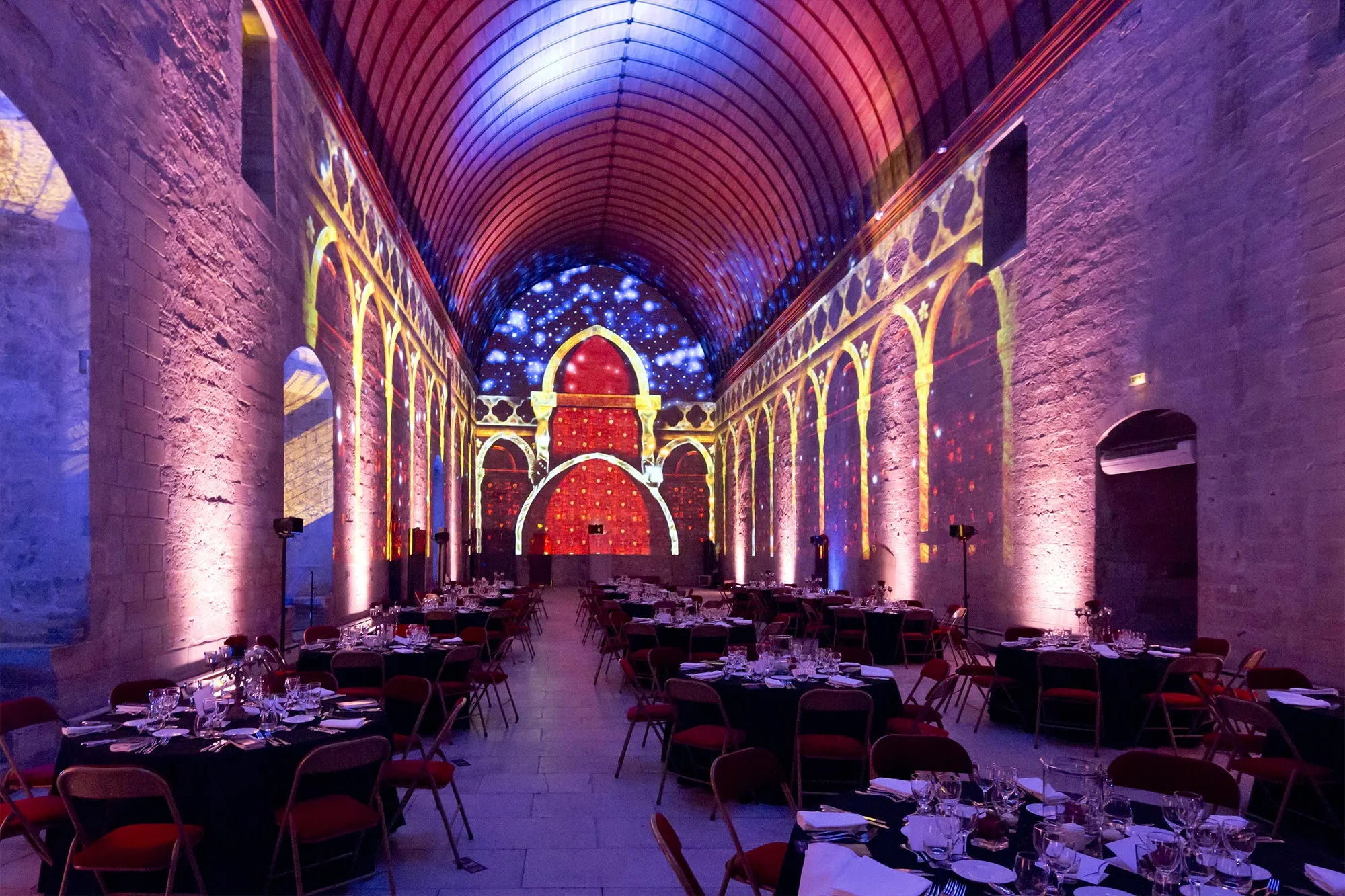
In the Grand Tinel, food was never just food. A plate could flatter, a seating chart could wound, and a toast could redraw alliances.
The room as political machine
- Length and volume amplified authority.
- Processional entry created anticipation.
- Raised positions encoded rank without argument.
Ceremony sequence (simplified)
- Arrival and visual ranking
- Blessing and formal opening
- Service waves with symbolic dishes
- Toasts and strategic conversation
- Controlled exit
How to imagine a banquet scene
| Sensory cue | Political message |
|---|---|
| Candles and height | Divine order + hierarchy |
| Music intervals | Rhythm of legitimacy |
| Coordinated serving | Institutional control |
[!NOTE] If you stand quietly near the center and look upward before scanning sideways, the hall's proportions make immediate sense.
Visitor prompt
Ask yourself: Who needed to be seen? Who needed to be reassured? Who needed to be impressed? The answers explain more than any menu reconstruction.
Takeaway: Grand Tinel is best understood as a chamber where appetite and authority sat at the same table.
The banquet as political language
Picture the cadence: servants crossing in disciplined lines, candles pushing gold tones onto stone, music filling pauses that would otherwise expose uncertainty. The meal is choreographed, but the true script concerns trust, rank, and alliance.
Those invited understood that attendance itself carried meaning. Presence could affirm a relationship; absence could signal tension. Even where one stood while waiting could be interpreted.
How to read this room today
- Stand still for one full minute and listen to reverberation.
- Observe where your eyes naturally land first; that is often where authority was staged.
- Compare center and edge perspectives; hierarchy changes with vantage.
In the Grand Tinel, ceremony did not decorate politics. Ceremony was politics.
저자 소개

Avignon Local Editorial Team
이 가이드는 교황청 방문을 단순 요약이 아닌 실제 경험으로 바꾸기 위해 제작되었습니다. 지금 보고 있는 공간이 왜 중요한지, 당시 역사에서 어떤 역할을 했는지, 그리고 어떻게 하면 오래 기억에 남는 방문이 되는지를 분명하게 이해하도록 돕습니다.
Tags
Comments (0)
Loading comments...