Avignon Papacy Explained - Living History of the Palais des Papes
Understand the rise of the Avignon Papacy and how politics, faith, and architecture merged at the Palais des Papes.
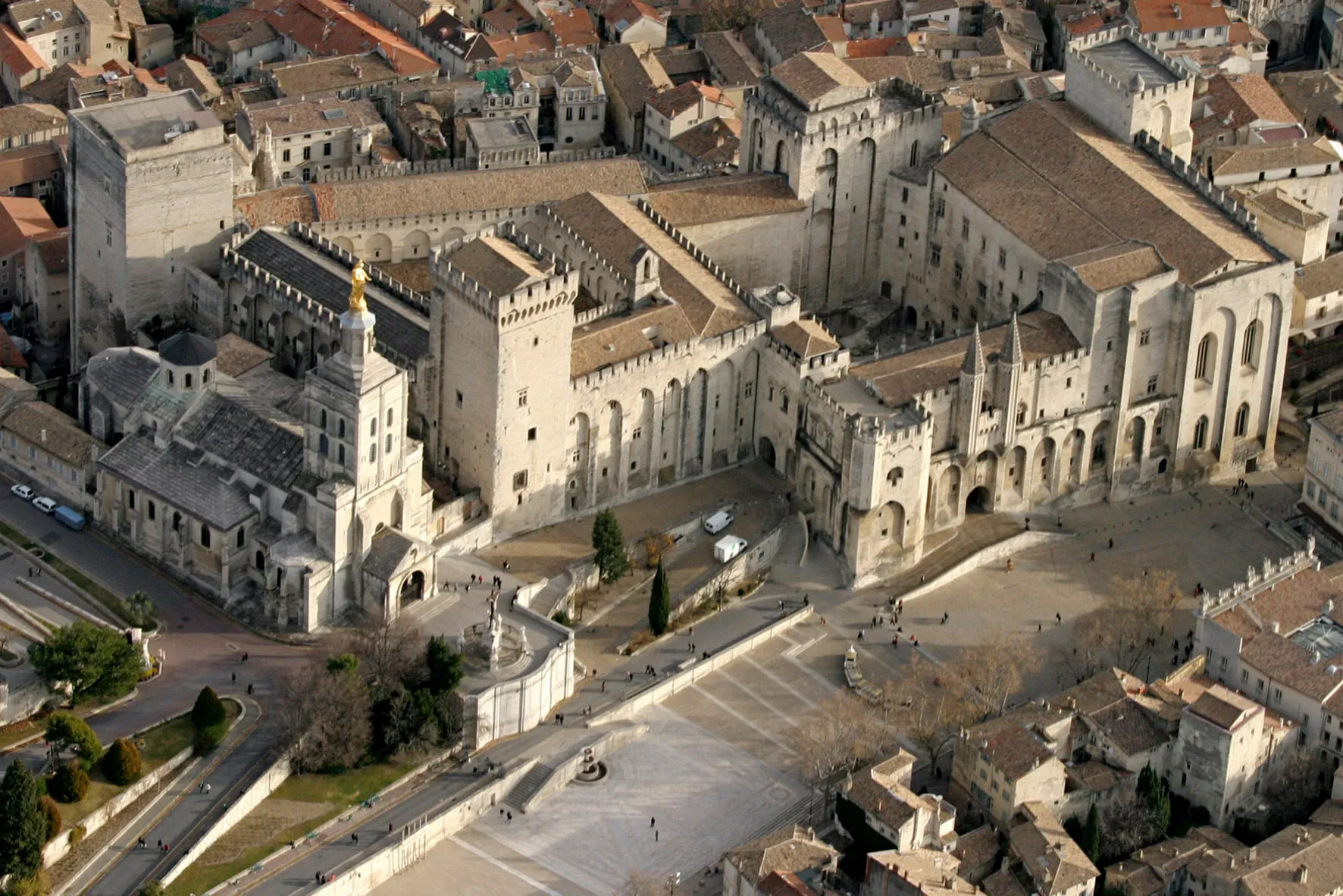
Some monuments are visited. The Palais des Papes is interpreted. Every stone belongs to a disagreement, a negotiation, or a theological fear translated into architecture.
Timeline in five turning points
- 1309 - The papal court settles in Avignon.
- 1335-1342 - Benedict XII launches the defensive and administrative core.
- 1342-1352 - Clement VI expands ceremonial grandeur.
- Late 14th century - Schism-era tensions reshape influence.
- After papal departure - The palace shifts roles but never loses symbolic gravity.
Reading the building like a document
Term : Meaning inside the palace experience
Fortress : Fear of instability, need for authority
Courtly hall : Diplomacy as performance
Chapel : Theology in color and light
Archive-like room : Governance as paperwork and memory
"The Avignon period was not a historical detour; it was a constitutional rehearsal for Latin Christendom."
What this means for visitors now
- You are not seeing "old rooms"; you are seeing institutional prototypes.
- Scale is part of messaging: height communicates hierarchy.
- Decoration was rarely neutral; it argued for legitimacy.
If you only remember one thing
The Palais des Papes is where medieval Europe experimented with centralized spiritual power under real geopolitical pressure.
[^context]: Historians debate nuances, but this interpretation helps first-time visitors connect architecture and events.
A historian's-eye narrative
Imagine arriving in Avignon in the fourteenth century as a diplomat. You do not merely see a city with a palace: you see an institutional engine under stress, trying to stabilize a continent through ritual, law, correspondence, and architecture.
The building's scale was not excess for its own sake. It was communicative infrastructure. In a fragmented political landscape, stone became messaging, and permanence became policy.
Questions worth carrying room to room
- Which spaces persuade, and which spaces administer?
- Where do we see fear transformed into design?
- What remains legible today without specialist training?
Read the palace as a timeline you can walk through, and each chamber becomes a historical paragraph with walls.
저자 소개

Avignon Local Editorial Team
이 가이드는 교황청 방문을 단순 요약이 아닌 실제 경험으로 바꾸기 위해 제작되었습니다. 지금 보고 있는 공간이 왜 중요한지, 당시 역사에서 어떤 역할을 했는지, 그리고 어떻게 하면 오래 기억에 남는 방문이 되는지를 분명하게 이해하도록 돕습니다.
Tags
Comments (0)
Loading comments...